
For chefs and kitchen enthusiasts alike, maintaining the razor-sharp edge of a boning knife is essential. Whether you’re preparing a gourmet meal or simply deboning a chicken, the knife’s sharpness can significantly affect your efficiency and safety. Knowing how to test boning knife sharpness is a vital skill that ensures your culinary tasks are executed with precision and ease.
In this guide, we will delve into various methods and techniques to test the sharpness of your boning knife. By understanding and applying these strategies, you can ensure that your knife is always ready for the task at hand. This article will equip you with the knowledge to test and maintain the edge of your knife, making your kitchen experience smoother and more enjoyable.
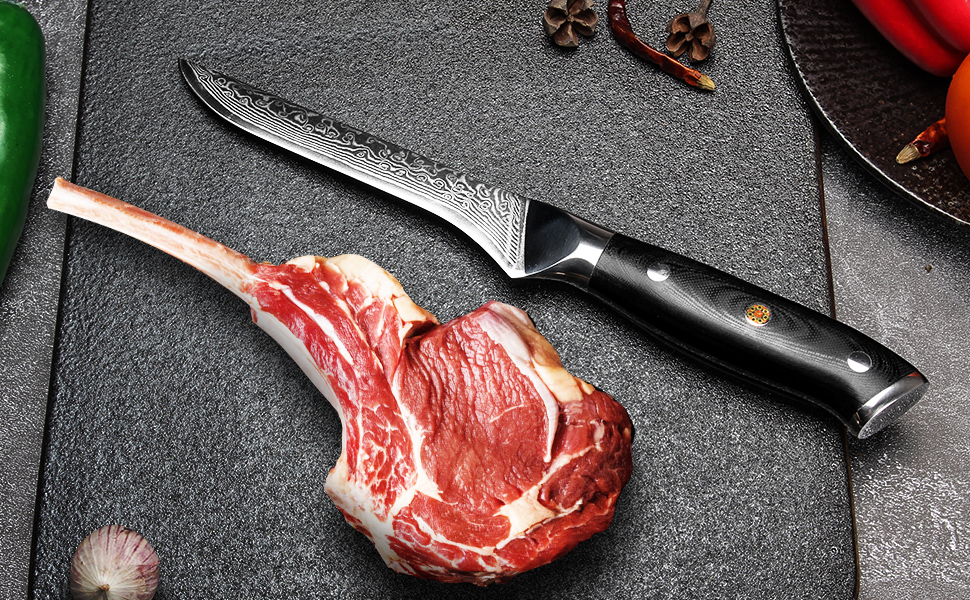
Understanding the Importance of a Sharp Boning Knife
A sharp boning knife is crucial not only for efficiency but also for safety. A dull blade requires more force, increasing the risk of slipping and causing injury. Additionally, maintaining a sharp blade preserves the integrity of the food, providing cleaner cuts and enhancing presentation.
Why Sharpness Matters
The sharpness of a knife directly impacts its performance. A sharp knife allows for precise cuts, reducing waste and preserving the texture of the meat. Whether you’re a professional chef or a home cook, understanding the importance of sharpness can elevate your culinary skills significantly.
Common Methods to Test Knife Sharpness
There are several practical methods to determine how sharp your boning knife is. These techniques range from simple at-home tests to more advanced methods used by professionals.
The Paper Test
The paper test is a quick and easy method to gauge sharpness. Hold a piece of paper vertically and try slicing it with your knife. A sharp knife will cut through effortlessly, while a dull one will struggle or tear the paper.
The Tomato Test
Tomatoes have delicate skin that can easily reveal the sharpness of a knife. Attempt to slice a tomato without applying much force. A sharp knife will glide through smoothly, while a dull one will require additional effort and may crush the tomato.
The Fingernail Test
This test involves gently placing the edge of the knife on your fingernail at a slight angle. A sharp edge will catch on the nail, while a dull edge will slide off.
Advanced Techniques for Testing Sharpness
For those seeking more precision, there are advanced techniques that provide a deeper insight into the condition of your knife’s edge.
The HHT (Hanging Hair Test)
The HHT is a popular method among knife enthusiasts. It involves attempting to cut a hanging hair with the knife. If the knife is sharp, it will slice through the hair easily.
Using a Magnifying Glass
A magnifying glass can help inspect the edge of the knife closely. Look for any nicks or imperfections that might indicate dullness. A smooth, even edge is a sign of a well-maintained knife.
Maintaining the Sharpness of Your Boning Knife
Once you’ve tested the sharpness of your knife, it’s important to maintain it. Regular maintenance can extend the life of your knife and keep it performing at its best.
Honing vs. Sharpening
Many people confuse honing with sharpening. Honing realigns the edge of the blade, while sharpening actually removes material to create a new edge.
Tools for Maintenance
Investing in the right tools is crucial for maintaining a sharp knife. Consider a honing rod for regular maintenance and a whetstone for sharpening.
When to Sharpen Your Boning Knife
Knowing when to sharpen your knife is as important as knowing how to do it. Regular testing can help you determine the right time to sharpen.
Signs Your Knife Needs Sharpening
Difficulty cutting through food, tearing rather than slicing, and a lack of precision are all signs that your knife needs sharpening.
Professional Sharpening Services
Consider professional sharpening services for a more precise edge. These services use specialized equipment to achieve a sharper edge than what can be done at home.
FAQs
How often should I test my boning knife’s sharpness?
It’s advisable to test your knife’s sharpness regularly, especially if you use it frequently. A monthly test can help keep your knife in optimal condition.
What is the best method to maintain a sharp edge on my boning knife?
Regular honing combined with occasional sharpening is the best way to maintain a sharp edge. Ensure you use the right tools and techniques to prevent damaging the blade.
Can I sharpen my boning knife at home?
Yes, with the right tools and techniques, you can sharpen your boning knife at home. However, for best results, consider professional sharpening services for a precise edge.
For further reading on the use of boning knives, you may visit this guide.
To explore more about knife types, check stiff vs flexible boning knives or learn how to debone salmon.
This article contains affiliate links. We may earn a commission at no extra cost to you.