Mastering the art of slicing meat with precision is a skill that elevates both home cooking and professional food preparation. Whether you’re working with beef, poultry, or pork, knowing how to slice meat professionally ensures even cooking, better texture, and an attractive presentation. This guide covers the essential techniques, tools, and tips you need to achieve restaurant-quality results every time you pick up your chef knife.
From choosing the right blade to understanding muscle grain and safety practices, we’ll walk through each step to help you cut meat like a pro. If you’re interested in learning more about the technical aspects of knife blades, you can explore different blade grinds and their impact on slicing performance.
Essential Tools for Precision Meat Slicing
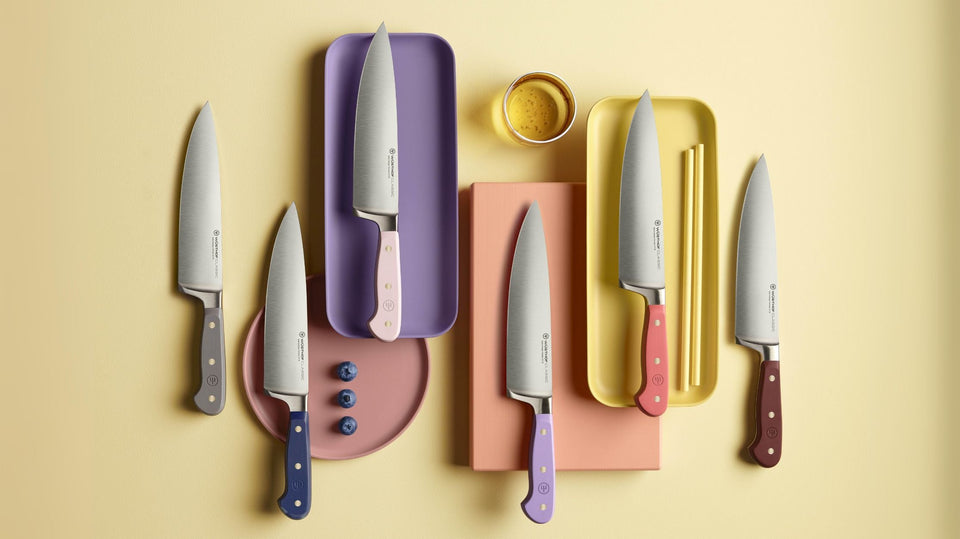
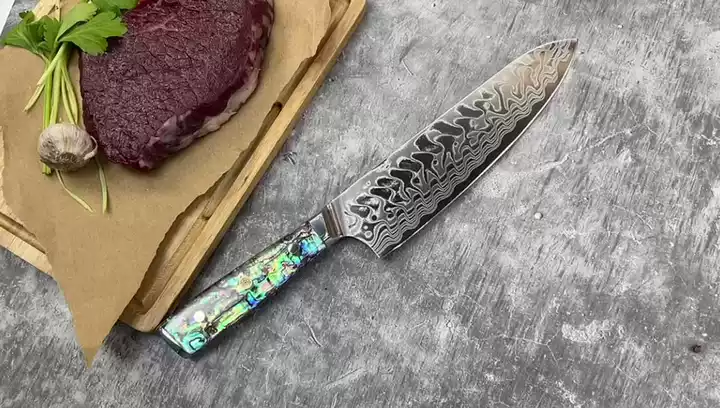
Before diving into technique, it’s important to have the right equipment. The most critical tool is a sharp chef knife. A well-maintained blade glides through meat with minimal resistance, reducing tearing and ensuring clean cuts. Consider investing in a quality chef knife made from high-carbon stainless steel for durability and edge retention.
- Chef Knife: Versatile and ideal for most slicing tasks.
- Cutting Board: Use a sturdy, non-slip board to keep your workspace safe.
- Knife Sharpener: Regular honing and occasional sharpening keep your blade in top condition.
- Paper Towels: Useful for patting meat dry, which helps prevent slipping and ensures cleaner slices.
Proper preparation of your tools is the foundation of professional meat slicing. A dull or poorly balanced knife can make even the best technique ineffective.
Preparing Meat for Slicing Like a Pro
Preparation is key to achieving uniform slices. Begin by ensuring the meat is adequately chilled. Cold meat is firmer and less likely to shred, making it easier to cut with precision. For larger cuts, such as roasts or briskets, refrigerate for 30–60 minutes before slicing.
Next, pat the meat dry with paper towels. Excess moisture can cause the knife to slip, increasing the risk of injury and uneven cuts. Trim away any excess fat or sinew, as these can also interfere with smooth slicing.
Understanding Meat Grain for Professional Results
One of the most important aspects of how to slice meat professionally is recognizing and cutting against the grain. The “grain” refers to the direction of muscle fibers running through the meat. Slicing perpendicular to these fibers shortens them, resulting in more tender and enjoyable bites.
To identify the grain, look for the lines or striations on the surface of the meat. Position your knife so that your cuts will be at a 90-degree angle to these lines. This technique is especially crucial for tougher cuts like flank steak or brisket, where long fibers can make the meat chewy if not cut properly.
Step-by-Step Guide to Slicing Meat With a Chef Knife
- Stabilize the Meat: Place the meat on your cutting board, ensuring it won’t slip. If needed, anchor the board with a damp towel underneath.
- Grip the Knife Correctly: Hold the chef knife with a firm, comfortable grip. Your index finger and thumb should pinch the blade just in front of the handle for maximum control.
- Position Your Non-Dominant Hand: Use your free hand to gently hold the meat in place, curling your fingertips inward to protect them from the blade.
- Start Slicing: Use smooth, even strokes, letting the weight of the knife do most of the work. Avoid sawing back and forth, which can tear the meat.
- Maintain Consistent Thickness: Aim for uniform slices, adjusting your angle and pressure as needed. For most dishes, slices between 1/8 and 1/4 inch thick are ideal.
- Work With the Grain: Always cut across the muscle fibers, as discussed earlier, for optimal tenderness.
Following these steps helps you achieve the clean, even slices that are the hallmark of professional meat preparation.
Tips for Achieving Uniform Slices Every Time
- Keep the Blade Sharp: A dull knife requires more force and can lead to jagged cuts. Hone your blade before each use.
- Use the Full Length of the Knife: Long, sweeping motions produce cleaner slices than short, choppy movements.
- Let the Knife Do the Work: Apply gentle, steady pressure rather than forcing the blade through the meat.
- Chill Cooked Meat: If slicing cooked meat, let it rest and cool slightly. This helps retain juices and makes slicing easier.
- Practice Consistency: Take your time and focus on making each slice as even as possible. Consistent thickness ensures even cooking and a better dining experience.
Common Mistakes to Avoid When Cutting Meat
Even experienced cooks can fall into habits that compromise the quality of their meat slices. Here are some pitfalls to watch out for:
- Cutting With the Grain: This results in tough, chewy pieces.
- Using a Dull Knife: Increases the risk of injury and produces uneven slices.
- Applying Too Much Force: Can crush the meat and squeeze out juices.
- Not Drying the Meat: Wet surfaces cause the knife to slip, making it harder to control your cuts.
- Ignoring Safety: Always keep your fingers tucked and use a stable cutting surface.
Frequently Asked Questions
What Is the Best Knife for Slicing Meat?
A sharp chef knife is the most versatile option for slicing meat at home. For very thin or delicate slices, a slicing or carving knife can also be useful. The key is to keep your blade sharp and well-maintained.
Should I Slice Meat Hot or Cold?
For the cleanest, most uniform slices, let meat cool slightly before cutting. Chilling raw meat for a short time before slicing also helps achieve more precise cuts.
How Can I Tell Which Way the Grain Runs?
Look for the direction of the muscle fibers on the surface of the meat. The grain appears as lines running in one direction. Always cut perpendicular to these lines for the most tender results.
Why Does Slicing Against the Grain Matter?
Cutting across the grain shortens muscle fibers, making the meat easier to chew and more enjoyable to eat. Slicing with the grain leaves long fibers intact, resulting in a tougher texture.