A flexible boning knife is a staple in both professional and home kitchens, prized for its ability to make precise cuts and handle delicate tasks. Unlike rigid blades, this tool features a thin, bendable blade that excels at maneuvering around bones and joints. Whether you’re preparing poultry, fish, or red meat, having the right knife can make a significant difference in both efficiency and final results.
For anyone looking to improve their butchery skills or simply make meal prep easier, understanding the unique advantages of a flexible blade is essential. This article explores the main uses, benefits, and tips for choosing and caring for this versatile kitchen tool. For a broader overview of boning knives and what to look for when buying, you can check out this comprehensive boning knife buying guide.
What Sets a Flexible Boning Knife Apart?
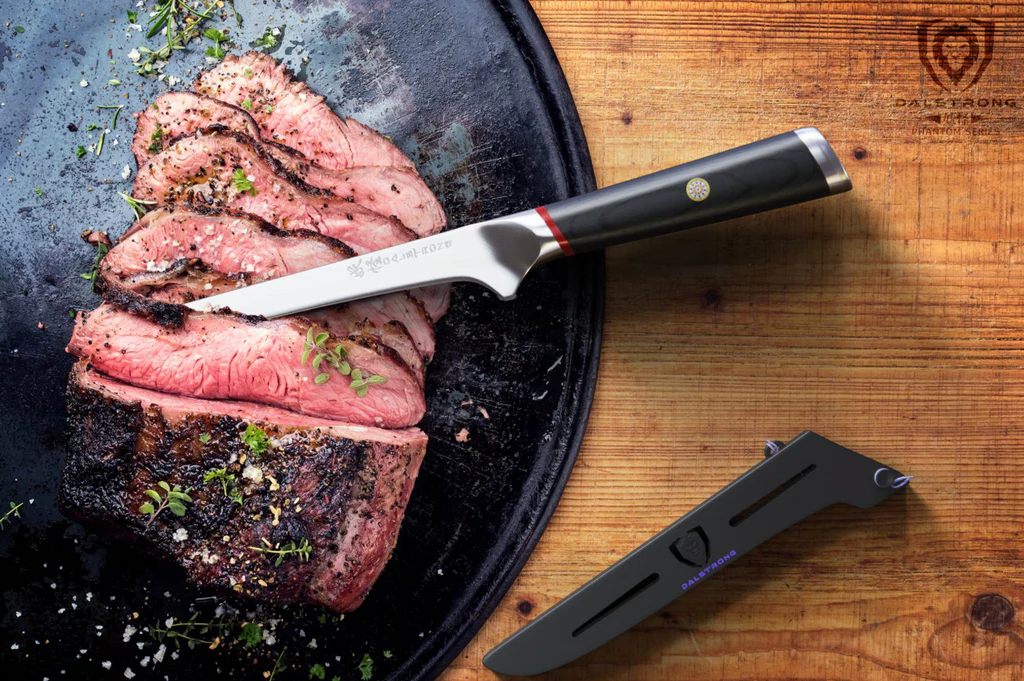
The defining feature of a flexible boning knife is its slender, pliable blade, typically ranging from 5 to 7 inches in length. This flexibility allows the blade to bend and conform to the contours of bones and joints, making it easier to separate meat without damaging it. The pointed tip and narrow profile also help with detailed tasks, such as removing skin or trimming fat.
Compared to stiffer boning knives, the flexible version is especially useful for delicate proteins like fish and poultry, where precision is key. The ability to glide along bones and under membranes minimizes waste and preserves the integrity of the meat.
Key Applications in the Kitchen
While there are many types of knives for different kitchen tasks, the flexible boning knife shines in specific scenarios. Here are some of its most common uses:
- Deboning Poultry: The flexible blade makes it easy to work around the rib cage, joints, and wishbone, ensuring clean separation of meat from bone.
- Filleting Fish: Its pliability allows the knife to hug the bones, resulting in neat fillets with minimal waste.
- Trimming Fat and Silver Skin: The sharp, narrow blade is ideal for removing tough connective tissue or excess fat from cuts of meat.
- Butterflying Cuts: When splitting meat for stuffing or even cooking, the flexible blade provides control and precision.
- Removing Skin: Whether it’s poultry or fish, the knife’s flexibility helps lift skin away without tearing the flesh underneath.
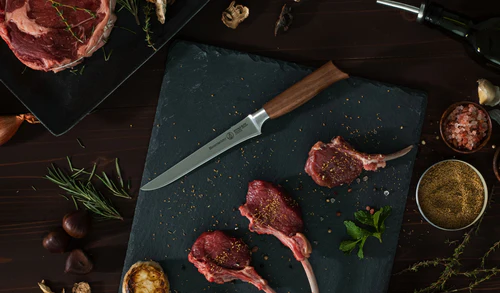
Advantages of Using a Flexible Blade
Choosing a flexible boning knife offers several benefits that can enhance your kitchen experience:
- Precision: The bendable blade allows for close, accurate cuts, reducing the risk of leaving meat on the bone.
- Versatility: Suitable for a range of proteins, from chicken and turkey to fish and even some cuts of beef or pork.
- Reduced Waste: By following the natural curves of bones and joints, you can extract more usable meat.
- Ease of Use: The ergonomic design and lightweight feel make it comfortable for extended use, even during detailed prep work.
- Cleaner Results: The sharp, flexible blade helps maintain the appearance of the meat, which is especially important for presentation.
How to Choose the Right Flexible Boning Knife
When selecting a boning knife with a flexible blade, consider these factors to ensure you get the best tool for your needs:
- Blade Material: High-carbon stainless steel is a popular choice for its sharpness and resistance to corrosion.
- Handle Comfort: Look for a handle that fits comfortably in your hand and provides a secure grip, even when wet.
- Blade Length: Most flexible boning knives range from 5 to 7 inches. Choose a length that matches the types of proteins you prepare most often.
- Balance and Weight: A well-balanced knife reduces fatigue and improves control during intricate tasks.
- Maintenance: Consider how easy it is to sharpen and clean the knife, as proper care will extend its lifespan.
Care and Maintenance Tips
To keep your flexible boning knife in top condition, regular maintenance is key. Here are some practical tips:
- Hand Wash Only: Avoid putting the knife in the dishwasher, as harsh detergents and high heat can damage the blade and handle.
- Dry Immediately: After washing, dry the knife thoroughly to prevent rust or water spots.
- Sharpen Regularly: Use a honing rod or whetstone to maintain a sharp edge. A dull blade is more dangerous and less effective.
- Store Safely: Keep the knife in a sheath, knife block, or on a magnetic strip to protect the blade and prevent accidents.
Flexible Boning Knife FAQ
What is the main difference between a flexible and a stiff boning knife?
The primary distinction lies in the blade’s ability to bend. A flexible boning knife is designed to contour around bones and joints, making it ideal for delicate proteins and precision work. In contrast, a stiff boning knife is better suited for larger, tougher cuts where more force is needed.
Can a flexible boning knife be used for all types of meat?
While this knife excels with poultry, fish, and some pork cuts, it may not be the best choice for very dense or large cuts of beef. For those, a stiffer blade provides more leverage. However, for most home cooks, a flexible option covers a wide range of kitchen needs.
How often should I sharpen my flexible boning knife?
Frequency depends on usage, but it’s a good practice to hone the blade before each use and sharpen it with a whetstone or professional service every few months. Keeping the edge sharp ensures safety and optimal performance.
Is it necessary to spend a lot on a quality boning knife?
While premium knives offer excellent materials and craftsmanship, there are many affordable options that perform well. Focus on blade material, handle comfort, and overall balance rather than price alone.
Conclusion
A flexible boning knife is an invaluable tool for anyone who regularly prepares meat or fish at home. Its unique design makes it perfect for precise, delicate work and helps reduce waste while improving the quality of your cuts. By choosing the right knife and caring for it properly, you’ll enjoy smoother meal prep and better results in the kitchen.