When venturing into the wilderness, the right gear can mean the difference between comfort and challenge—or even safety and risk. Among the most essential tools for outdoor enthusiasts, forged outdoor survival knives stand out for their reliability, strength, and versatility. Whether you’re a seasoned backpacker, a bushcraft hobbyist, or someone preparing for emergencies, understanding what sets these knives apart can help you make an informed choice for your next adventure.
Forged blades have a long-standing reputation for durability and performance. Unlike stamped or mass-produced knives, forged survival tools are crafted through a process that transforms raw steel into a robust, functional blade. This guide explores what makes these knives unique, the benefits of choosing forged over other types, and how to select the best one for your needs.
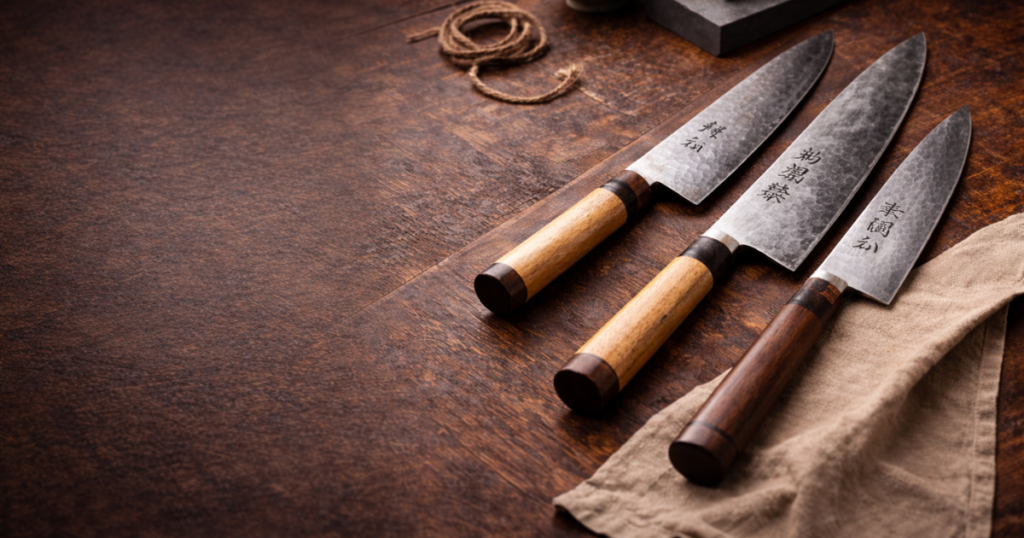
For those interested in the traditional methods behind these blades, you can learn more about how Japanese sword forging techniques influence modern knife making.
What Sets Forged Survival Knives Apart?
Forged knives are created by heating steel and shaping it under high pressure, usually with a hammer or press. This process aligns the grain structure of the metal, resulting in a blade that is both tough and resilient. The forging method gives these knives several advantages over stamped or cut alternatives:
- Superior Strength: The forging process compacts the steel, reducing weak points and increasing overall durability.
- Edge Retention: Properly forged blades hold a sharp edge longer, reducing the need for frequent sharpening in the field.
- Unique Character: Each forged knife often has subtle variations, making every piece distinct in appearance and feel.
- Balance and Weight: The forging process allows for better control over the knife’s balance, which is crucial for tasks like chopping, carving, and food prep.
Key Features to Look for in a Forged Outdoor Knife
When selecting a forged blade for outdoor use, several features are particularly important. Here’s what to consider:
- Full Tang Construction: A full tang means the blade extends through the handle, providing maximum strength and preventing breakage during heavy use.
- Blade Material: High-carbon steels are popular for their hardness and edge retention, though they require more maintenance to prevent rust. Stainless steels offer corrosion resistance but may sacrifice some toughness.
- Blade Shape: Drop point, clip point, and spear point are common shapes that offer versatility for tasks like slicing, piercing, and batoning wood.
- Handle Ergonomics: Look for a handle that fits comfortably in your hand and provides a secure grip, even when wet.
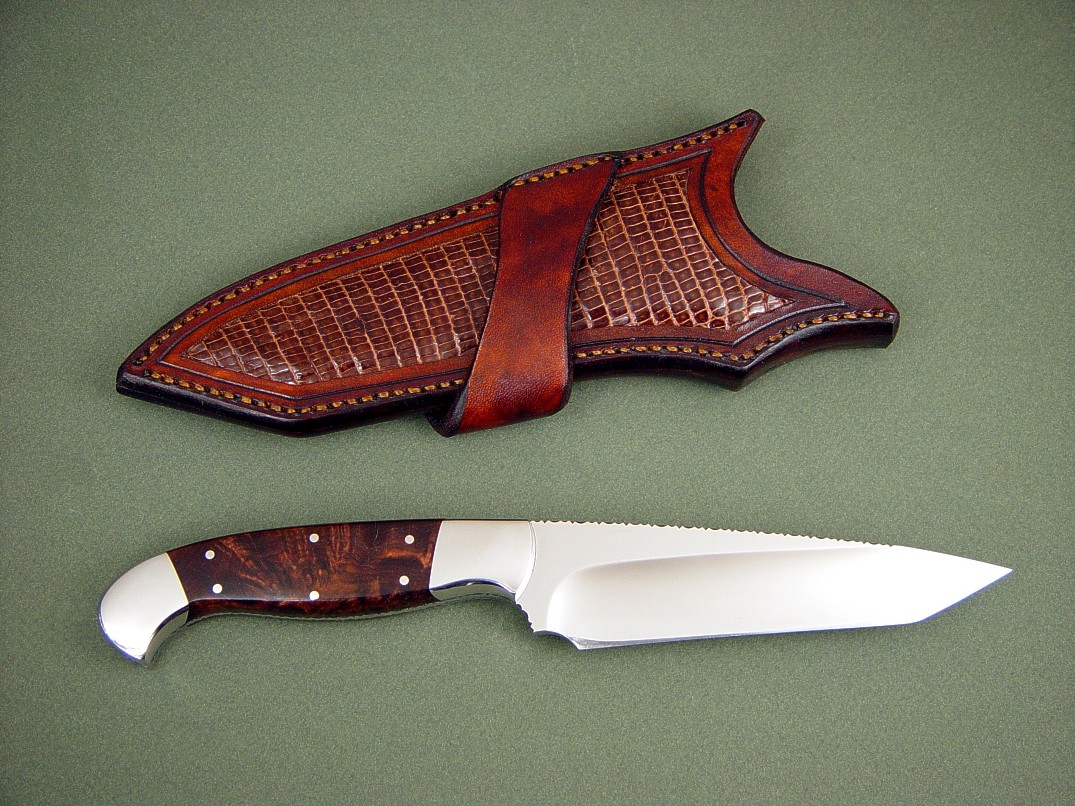
- Sheath Quality: A durable sheath protects the blade and makes it easy to carry safely on your belt or pack.
Benefits of Choosing a Forged Blade for Survival
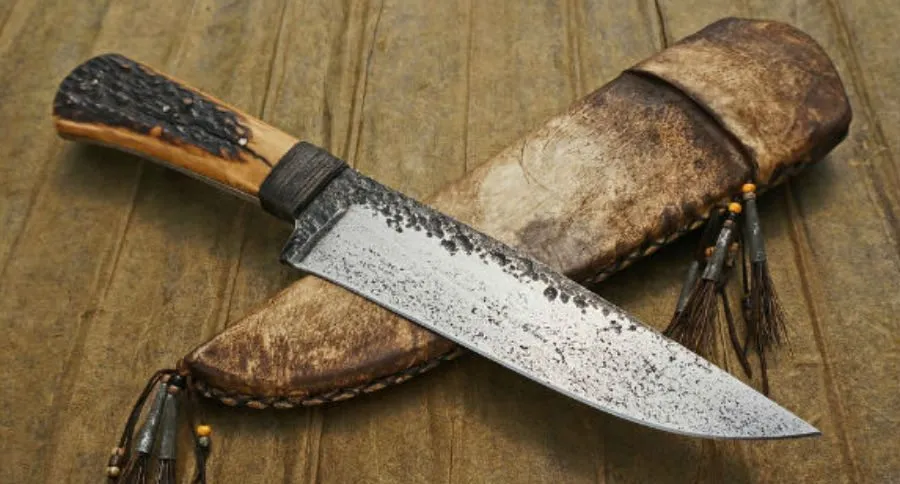
When you’re miles from civilization, reliability is non-negotiable. Here are some of the main reasons why many outdoor professionals and enthusiasts prefer forged knives for survival situations:
- Dependability: Forged knives are less likely to snap or chip under stress, making them ideal for demanding tasks like splitting wood or prying.
- Multi-Purpose Utility: A well-made survival knife can handle food prep, shelter building, fire starting, and even first aid tasks.
- Long-Term Value: While forged knives may cost more upfront, their longevity and performance often make them a better investment over time.
- Tradition and Craftsmanship: Many forged knives are made by skilled artisans, blending modern technology with time-honored techniques.
How Forged Knives Are Made
The process of forging a survival knife is both art and science. It typically involves several key steps:
- Heating: The steel is heated to a high temperature until it becomes malleable.
- Shaping: The hot steel is hammered or pressed into the desired blade shape. This step can be done by hand or with machinery, depending on the maker.
- Grinding: After forging, the blade is ground to refine its shape, edge, and thickness.
- Heat Treating: The blade undergoes a controlled heating and cooling process to achieve the right balance of hardness and flexibility.
- Finishing: Handles are attached, and the blade is polished, sharpened, and inspected for quality.
This hands-on approach results in a knife that is not only functional but also unique, with subtle differences that reflect the maker’s skill and attention to detail.
Tips for Maintaining Your Survival Knife
Proper care ensures your forged blade remains a reliable companion for years. Here are some practical maintenance tips:
- Clean After Use: Wipe the blade clean and dry after each use to prevent rust and corrosion, especially if it’s made from high-carbon steel.
- Sharpen Regularly: Use a whetstone or sharpening system to maintain a keen edge. Avoid using power tools that can overheat and damage the steel.
- Oil the Blade: Apply a light coat of mineral oil to protect against moisture, especially if storing the knife for an extended period.
- Inspect the Handle: Check for cracks or loose fittings, and tighten or repair as needed to maintain a secure grip.
- Store Properly: Keep your knife in a dry sheath or case, away from extreme temperatures and humidity.
Choosing the Right Forged Knife for Your Needs
With so many options available, selecting the right forged survival knife depends on your intended use and personal preferences. Consider the following factors:
- Intended Activities: Will you be using the knife mainly for bushcraft, hunting, fishing, or general camping?
- Size and Weight: Larger knives offer more chopping power, while smaller blades are easier to carry and handle for fine tasks.
- Budget: While high-end forged knives can be expensive, there are quality options at various price points.
- Brand Reputation: Research makers known for their craftsmanship and customer service.
Reading user reviews and, if possible, handling different models before purchasing can help you find a knife that feels right in your hand and suits your needs.
Frequently Asked Questions
Are forged knives better than stamped knives for outdoor use?
Forged knives are generally stronger and more durable due to the way the steel is shaped and compacted during the forging process. This makes them better suited for demanding outdoor tasks where reliability is crucial.
How do I maintain a forged survival knife in the field?
Keep the blade clean and dry, sharpen it as needed with a portable sharpening tool, and apply a light coat of oil to prevent rust. Always store the knife in a dry sheath when not in use.
What is the best blade steel for a forged outdoor knife?
High-carbon steels like 1095 or tool steels such as D2 are popular for their hardness and edge retention. Stainless steels like 440C or S30V offer better corrosion resistance but may require more frequent sharpening. The best choice depends on your environment and maintenance preferences.
Conclusion
Forged outdoor survival knives offer a blend of strength, reliability, and craftsmanship that is hard to match. Their robust construction and thoughtful design make them a trusted tool for anyone who spends time in the wild. By understanding the features, benefits, and care requirements of these knives, you can choose a blade that will serve you well on every adventure.