Ceramic knives are prized for their sharpness, lightweight feel, and resistance to rust. However, these blades require specific care to maintain their edge and prevent chipping or breakage. Whether you’re a home cook or a professional chef, understanding the best practices for caring for ceramic knives will help you get the most out of your investment. This ceramic knife maintenance guide covers essential cleaning, storage, sharpening, and handling tips to ensure your blades remain in top condition for years.
If you’re looking for official recommendations, the KitchenAid ceramic cutlery use and care guide provides additional manufacturer advice on proper use and upkeep.
Understanding the Unique Properties of Ceramic Blades
Unlike traditional steel knives, ceramic blades are made from zirconium dioxide, a material that is extremely hard and wear-resistant. This gives them their renowned sharpness and ability to hold an edge much longer than most metal knives. However, the same hardness that makes them so effective also makes them brittle. Ceramic knives can chip, crack, or even snap if not handled properly.
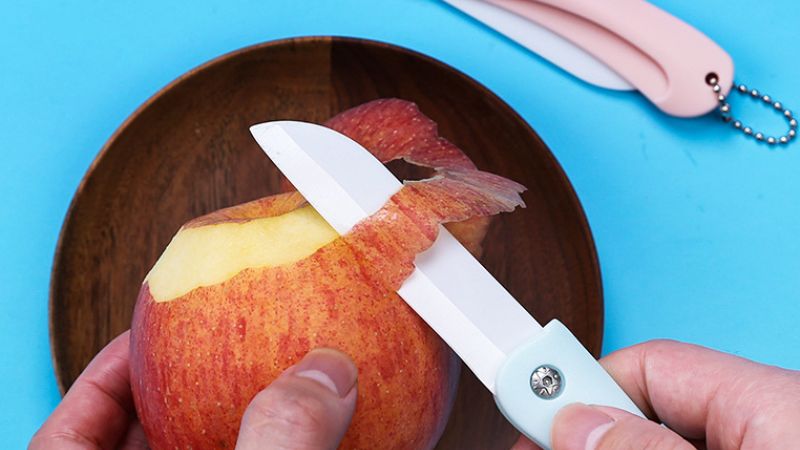
These blades are best suited for slicing fruits, vegetables, and boneless meats. Avoid using them on hard or frozen foods, or for tasks like prying or twisting, as this can cause damage.
Daily Cleaning and Care for Ceramic Knives
Proper cleaning is a key aspect of any ceramic knife maintenance guide. Always wash ceramic knives by hand using mild dish soap and warm water. Rinse thoroughly and dry immediately with a soft towel. Avoid abrasive sponges or scouring pads, as these can scratch the blade’s surface.
- Do not put ceramic knives in the dishwasher. The high-pressure water jets and contact with other utensils can cause chips or cracks.
- Keep the blade away from hard surfaces like granite or ceramic sinks when washing.
- Dry the knife immediately to prevent water spots and maintain its pristine appearance.
Safe Storage Solutions to Prevent Damage
Storing your ceramic knives properly is essential to avoid accidental chips and to keep the edge sharp. Never toss these blades into a drawer with other utensils, as contact with metal or other hard objects can easily cause nicks.
- Use a dedicated knife block, preferably one with horizontal slots to minimize pressure on the blade.
- Blade guards or sheaths are an excellent option for drawer storage, providing a protective barrier.
- Magnetic strips can be used, but ensure the magnet is gentle and the knife is placed carefully to avoid snapping against the surface.
Taking a few extra seconds to store your knives properly will greatly extend their lifespan and performance.
Sharpening Techniques for Ceramic Knives
One of the main advantages of ceramic blades is their ability to stay sharp for a long time. However, when they do become dull, sharpening them requires special tools and techniques. Standard knife sharpeners designed for steel will not work and may damage the blade.
- Use a diamond sharpening rod or a dedicated diamond wheel sharpener designed for ceramic blades.
- Sharpen gently, applying minimal pressure to avoid cracking or chipping the edge.
- If you’re not confident sharpening at home, consider sending your knife to a professional service that specializes in ceramic knives.
Regular honing is not necessary for ceramic knives, but periodic sharpening with the right tools will restore their original performance.
Handling Tips to Maximize Longevity
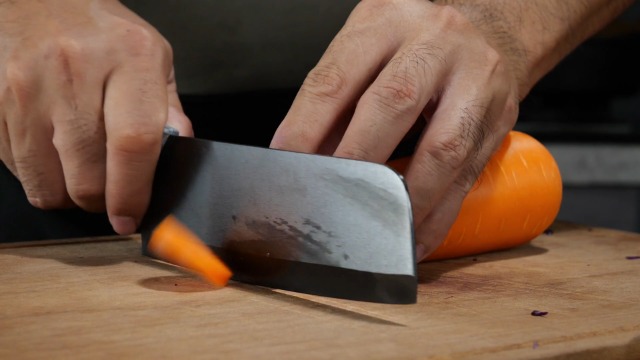
The way you use your ceramic knives has a significant impact on their durability. To prevent chips and breakage, always use a wooden or plastic cutting board. Avoid glass, marble, or ceramic surfaces, as these are too hard and can damage the blade.
- Never use ceramic knives to cut through bones, frozen foods, or hard-skinned items like squash.
- Do not use the blade to crush garlic or open cans.
- Always cut straight down and avoid twisting or prying motions.
By following these simple handling guidelines, you’ll keep your knives sharp and intact for much longer.
Common Issues and How to Address Them
Even with proper care, ceramic knives can sometimes develop small chips or lose their edge. Minor chips along the edge may not affect performance, but larger chips or cracks can compromise safety and effectiveness.
- If you notice a chip, stop using the knife for delicate slicing tasks and consider professional repair or replacement.
- For dull blades, use only diamond-based sharpeners or seek out a sharpening service experienced with ceramics.
- Inspect your knives regularly for signs of wear or damage, and address issues promptly to prevent further problems.
Frequently Asked Questions
How often should I sharpen my ceramic knife?
Ceramic knives typically stay sharp much longer than steel knives. Depending on usage, you may only need to sharpen them once every 1–2 years. If you notice a decrease in cutting performance, use a diamond sharpener or consult a professional.
Can ceramic knives go in the dishwasher?
No, ceramic knives should always be washed by hand. The dishwasher’s harsh environment can cause chips, cracks, or dulling of the blade. Hand washing with mild soap and immediate drying is the safest method.
What foods should I avoid cutting with ceramic knives?
Avoid using ceramic knives on bones, frozen foods, or very hard produce like squash or pumpkin. Stick to softer items such as fruits, vegetables, and boneless meats to prevent chipping or breakage.
Is it possible to repair a chipped ceramic blade?
Small chips may not affect performance, but larger chips or cracks usually require professional attention. Some sharpening services can smooth out minor chips, but if the blade is severely damaged, replacement may be necessary.
Summary: Keeping Your Ceramic Knives in Top Shape
With the right approach, ceramic knives can remain sharp, clean, and safe for years. Focus on gentle hand washing, proper storage, careful handling, and using the correct sharpening tools. By following the advice in this ceramic knife maintenance guide, you’ll enjoy the benefits of these unique blades while minimizing the risk of damage. Regular attention and a few simple habits will keep your kitchen tools performing at their best.