Choosing the right kitchen knife can make a significant difference in food preparation, especially when it comes to specialized tasks. Two popular options that often get compared are the boning knife and the santoku knife. While both are essential tools in many kitchens, they serve distinct purposes and feature unique designs. Understanding their differences helps home cooks and professionals select the best tool for their needs.
In this article, we’ll break down the key distinctions between these two types of knives, including their shapes, uses, and advantages. If you’re looking to upgrade your kitchen arsenal or simply want to know which knife to use for specific tasks, this guide will clarify the main points of comparison. For those interested in exploring more about specialty knives, you can also check out resources like Food & Wine’s guide to the best boning knives.
Let’s take a closer look at how a boning knife compares to a santoku, and which situations call for each.
Understanding the Boning Knife: Design and Purpose
The boning knife is a specialized tool designed primarily for removing bones from meat, poultry, and fish. Its blade is typically narrow, thin, and slightly curved, which allows for precise cuts and easy maneuvering around bones and joints. The flexibility of the blade can vary, with some being stiff for tougher cuts and others more flexible for delicate work like filleting fish.
- Blade Length: Usually ranges from 5 to 7 inches.
- Shape: Narrow and pointed, often with a slight curve.
- Primary Use: Deboning meat, trimming fat, and removing skin from fish or poultry.
- Edge: Fine and sharp for precision work.
The boning knife’s design makes it ideal for tasks that require accuracy and control. Its pointed tip can get into tight spaces, while the thin blade minimizes waste by allowing close cuts along bones.
What Sets the Santoku Knife Apart?
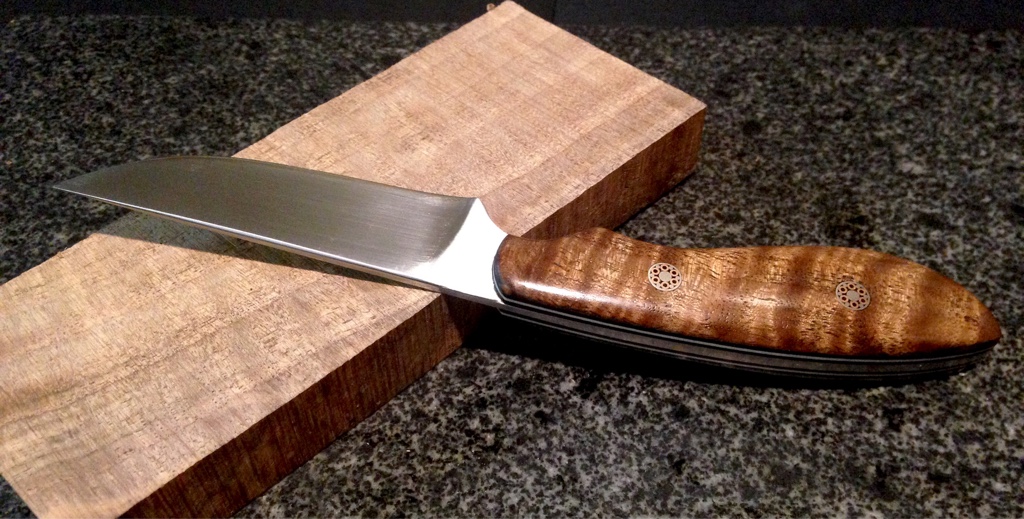
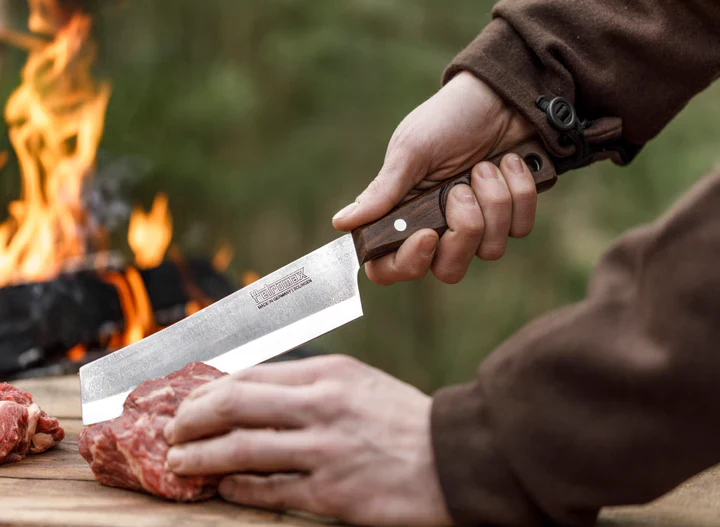
The santoku knife originates from Japan and is known for its versatility in the kitchen. Its name translates to “three virtues,” referring to its ability to slice, dice, and mince. Unlike the boning knife, the santoku features a wider, straighter blade with a rounded tip, making it suitable for a range of general food prep tasks.
- Blade Length: Typically between 5 and 7 inches, similar to a boning knife.
- Shape: Wide, flat blade with a sheepsfoot tip (rounded, not pointed).
- Primary Use: Chopping, slicing, and dicing vegetables, fruits, and boneless meats.
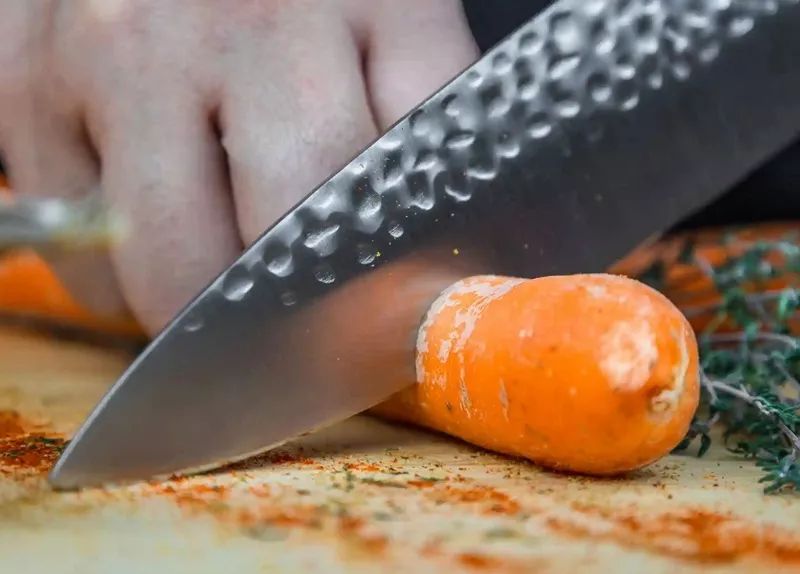
- Edge: Often features a granton edge (dimples) to reduce food sticking.
The santoku’s design allows for fast, efficient chopping and a comfortable rocking motion. Its flat edge is especially useful for making clean, straight cuts through vegetables and proteins.
Comparing Boning and Santoku Knives: Key Differences
While both knives are valuable in the kitchen, their differences are clear when you look at their intended uses and physical characteristics. Here’s a breakdown of the most important distinctions:
| Feature | Boning Knife | Santoku Knife |
|---|---|---|
| Blade Shape | Narrow, pointed, slightly curved | Wide, flat, rounded tip |
| Primary Function | Deboning, trimming, filleting | Chopping, slicing, mincing |
| Flexibility | Flexible or stiff options | Generally rigid |
| Edge Style | Straight, fine edge | Straight, often with granton edge |
| Best For | Meat, poultry, fish (bone removal) | Vegetables, fruits, boneless meats |
In summary, the boning knife excels at precision work around bones and joints, while the santoku is a go-to for general prep tasks. Choosing between them depends on the types of foods you prepare most often.
When to Use Each Knife in the Kitchen
Understanding when to reach for each knife can streamline your cooking process and improve results. Here are some practical scenarios:
- Boning Knife: Use this tool when you need to remove bones from chicken thighs, trim fat from pork, or cleanly separate fish fillets from the skeleton. Its pointed tip and flexible blade make it ideal for these detailed tasks.
- Santoku Knife: Reach for the santoku when prepping vegetables for stir-fries, slicing boneless meats, or mincing garlic and herbs. Its wide blade also makes it easy to scoop up chopped ingredients and transfer them to a pan or bowl.
Both knives can handle a range of tasks, but using the right one for the job will make prep work faster, safer, and more efficient.
How to Choose the Right Knife for Your Needs
Selecting between a boning knife and a santoku comes down to your cooking habits and the types of dishes you prepare. If you frequently work with whole cuts of meat or fish, investing in a quality boning knife is a smart choice. For those who focus on vegetable-heavy dishes or want a versatile all-purpose knife, the santoku is a reliable option.
Consider the following when making your decision:
- Frequency of Use: Do you often debone meat or fillet fish? A boning knife will be more useful.
- Preferred Cooking Styles: If you enjoy Asian cuisine or do a lot of chopping and dicing, a santoku may suit your needs better.
- Knife Maintenance: Both knives require regular sharpening and care, but the boning knife’s fine edge may need more frequent attention.
Ultimately, many home cooks find value in owning both knives, as each brings unique strengths to the kitchen.
Frequently Asked Questions
Can a Santoku Knife Be Used for Deboning?
While a santoku is versatile, it is not designed for deboning meat or fish. Its wide, rigid blade lacks the precision and flexibility needed to work around bones and joints. For best results, use a boning knife for these tasks.
Is a Boning Knife Good for Chopping Vegetables?
A boning knife is not ideal for chopping vegetables. Its narrow blade and pointed tip are meant for detailed work, not for the rocking or straight-down motion needed for efficient vegetable prep. A santoku or chef’s knife is better suited for chopping and slicing produce.
What Is the Main Advantage of a Granton Edge on a Santoku?
The granton edge, or the series of dimples along the blade, helps reduce friction and prevents food from sticking to the knife. This feature is especially useful when slicing starchy vegetables or proteins, allowing for cleaner and faster cuts.