When preparing fruits and vegetables, the type of knife you use can have a surprising effect on the taste, appearance, and even the nutritional value of your food. Many home cooks and professionals are turning to ceramic knives for their unique properties, especially when working with delicate produce. A common question arises: are ceramic knives non-reactive, and what does that mean for your kitchen routine? Understanding the science and practical benefits behind these tools can help you make more informed choices for your culinary needs.
In this article, we’ll explore what it means for a knife to be non-reactive, how ceramic blades compare to traditional metal options, and why these differences matter when handling fresh ingredients. We’ll also discuss care tips and address common questions to help you get the most from your kitchen tools.
For a comprehensive overview of proper knife handling and maintenance, you may find the Kyocera ceramic knife manual especially helpful.
Understanding Non-Reactive Knife Materials
The term non-reactive refers to materials that do not chemically interact with the foods they come into contact with. In the context of kitchen knives, this is important because some metals can react with acidic or alkaline ingredients, causing discoloration, off-flavors, or even a metallic taste. For example, when slicing tomatoes, citrus fruits, or onions, a reactive blade may slightly alter the food’s color or flavor.
Traditional knives made from carbon steel or certain alloys are more prone to these reactions. Stainless steel is less reactive, but not completely immune. This is where ceramic knives stand out—they are made from zirconium oxide, a material that is highly stable and does not interact with food on a chemical level.
How Ceramic Blades Preserve Freshness in Produce
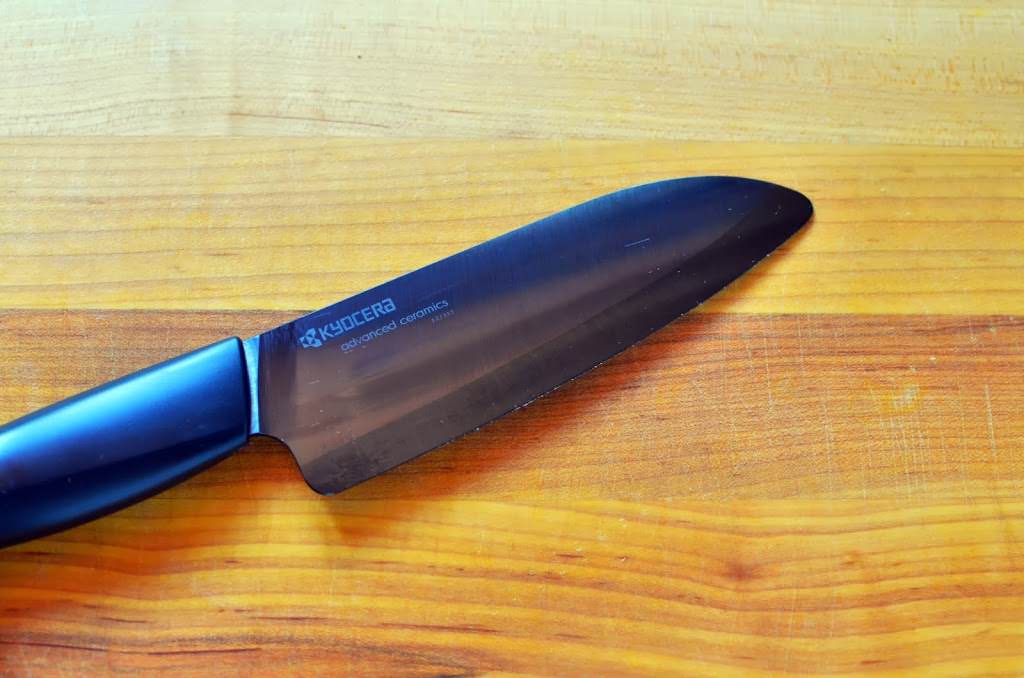
One of the main reasons cooks choose ceramic blades is their ability to keep produce looking and tasting its best. Because ceramic knives are non-reactive, they do not cause browning or oxidation when cutting fruits like apples, pears, or avocados. This helps maintain the natural color and crispness of your ingredients, making them ideal for salads, fruit platters, and garnishes.
Additionally, ceramic blades are extremely sharp and retain their edge longer than most steel knives. This means cleaner cuts, less bruising, and a more attractive presentation. For anyone who values the visual appeal and freshness of their dishes, this can make a noticeable difference.
Comparing Ceramic and Metal Knives for Reactivity
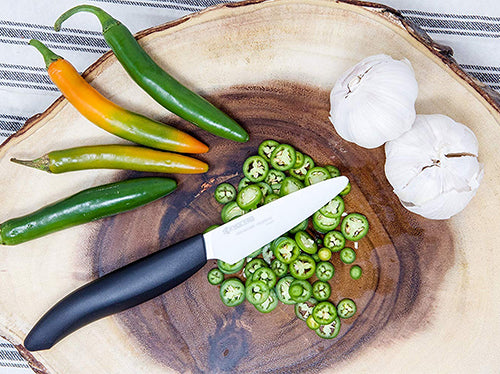
While both stainless steel and ceramic knives have their place in the kitchen, their performance with fresh produce can differ. Stainless steel is generally considered less reactive than carbon steel, but it can still impart subtle flavors or discoloration to sensitive foods, especially over time or with repeated use. Ceramic, on the other hand, is completely inert—meaning it will not react with any type of fruit or vegetable.
| Feature | Ceramic Knives | Stainless Steel Knives |
|---|---|---|
| Reactivity | Non-reactive | Low reactivity, but not zero |
| Edge Retention | Excellent | Good |
| Maintenance | Does not rust or corrode | Can rust if not cared for |
| Best For | Fruits, vegetables, boneless meats | General purpose, harder foods |
Advantages of Using Non-Reactive Blades in the Kitchen
The benefits of using non-reactive ceramic knives go beyond just preserving the look and taste of your produce. Here are some additional advantages:
- Hygiene: Ceramic is less porous than metal, making it more resistant to bacteria and odors.
- Lightweight: These knives are often lighter than their metal counterparts, reducing hand fatigue during repetitive tasks.
- No metallic aftertaste: Foods retain their natural flavors, especially important for delicate fruits and vegetables.
- Easy maintenance: Ceramic blades do not rust or corrode, and are easy to clean with just soap and water.
Limitations and Care Tips for Ceramic Kitchen Tools
While the advantages are significant, ceramic knives do have some limitations. They are more brittle than metal blades and can chip or break if used on hard foods (like bones or frozen items) or dropped onto hard surfaces. They are best reserved for slicing softer items such as fruits, vegetables, and boneless meats.
To get the most out of your ceramic knife:
- Use a wooden or plastic cutting board to prevent chipping.
- Avoid twisting or prying motions—stick to straight slicing.
- Hand wash and dry promptly; avoid dishwashers which can cause damage.
- Store separately from metal utensils to prevent accidental knocks.
Frequently Asked Questions
Do ceramic knives react with acidic foods like tomatoes or citrus?
No, ceramic blades are completely non-reactive. They will not interact with acidic foods, so you won’t notice any metallic taste or discoloration when slicing tomatoes, lemons, or oranges.
Can ceramic knives be used for all kitchen tasks?
While they excel at cutting fruits, vegetables, and boneless meats, ceramic knives are not suitable for chopping hard foods, bones, or frozen items. Their brittleness makes them prone to chipping if misused.
How do you sharpen a ceramic knife?
Ceramic blades hold their edge much longer than steel, but when they do become dull, they require a diamond sharpener or professional service. Regular home sharpeners designed for metal knives will not work.
Are ceramic knives dishwasher safe?
It’s best to hand wash ceramic knives. Dishwashers can cause the blades to knock against other utensils, increasing the risk of chipping or breaking.
What makes ceramic knives a good choice for fresh produce?
Their non-reactive nature preserves the color, flavor, and nutritional value of fruits and vegetables. They also provide clean, precise cuts that help maintain the texture and appearance of your ingredients.
Choosing the right knife can make a noticeable difference in your kitchen, especially when freshness and presentation matter. By understanding the unique properties of ceramic blades, you can enjoy better-tasting, more visually appealing meals with less effort.