When it comes to mastering the art of butchery or preparing delicate cuts of meat, knowing the best angle to cut with a boning knife is essential. This knowledge not only enhances the precision of your cuts but also maintains the integrity of the meat. Whether you’re a professional chef or a home cook, understanding how to use a boning knife effectively can transform your culinary skills.
Understanding the Boning Knife
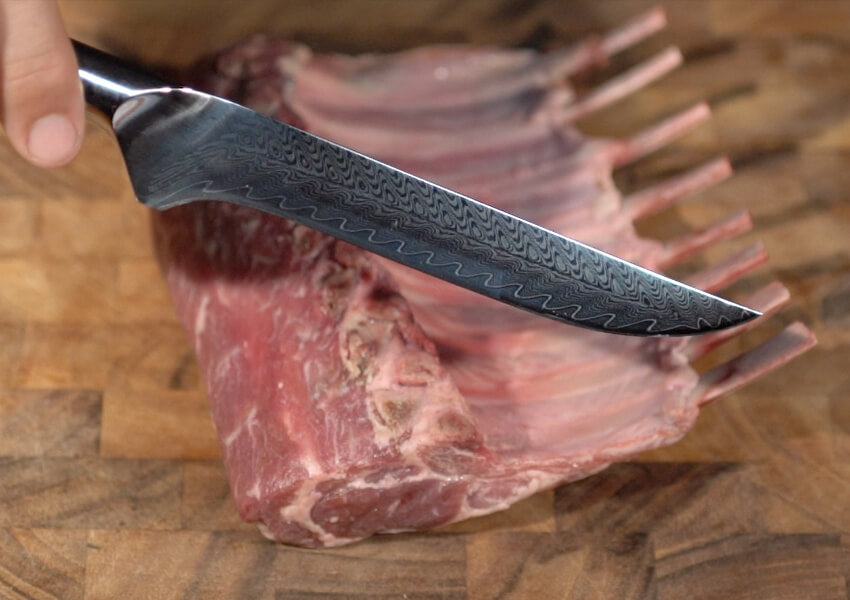
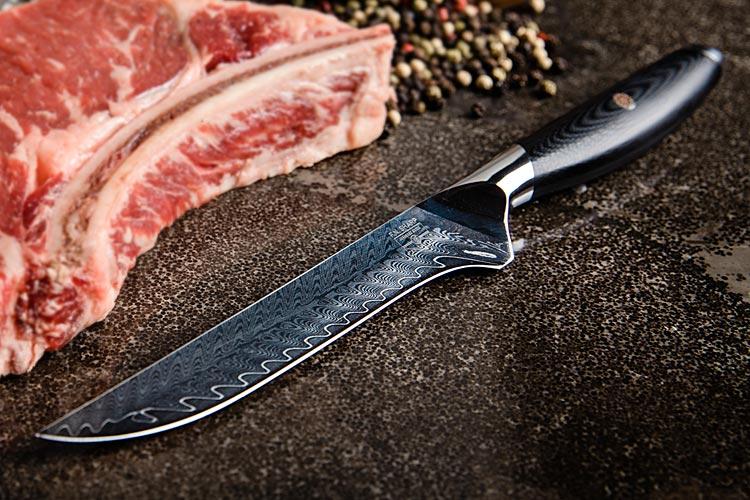
A boning knife is a specialized kitchen tool designed for removing bones from meat, poultry, and fish. Its thin, flexible blade allows for precise cuts around bones and joints. The knife is essential for tasks that require fine control, such as filleting fish or trimming brisket.
Types of Boning Knives
There are several types of boning knives, each suited to different tasks. The most common types include stiff, flexible, and semi-flexible blades. Stiff blades are ideal for beef and pork, while flexible blades work well with delicate fish and poultry.
Why Angle Matters
The angle at which you cut with a boning knife can significantly affect the quality and efficiency of your cuts. A precise angle ensures that you remove the maximum amount of meat while leaving minimal waste.
Optimal Cutting Angle
The best angle to cut with a boning knife typically ranges between 15 to 20 degrees. This angle provides a balance between control and sharpness, allowing for clean and efficient cuts.
Techniques for Using a Boning Knife
Mastering the technique of using a boning knife involves understanding how to hold and maneuver the knife effectively. Proper grip and control are crucial for safety and precision.
Proper Grip
Hold the knife with a firm grip, ensuring that your fingers are securely positioned on the handle. This control allows you to make precise cuts with minimal effort.
Guiding the Knife
Use your other hand to guide the meat, keeping your fingers away from the blade. This technique helps maintain control over the cut and enhances safety.
Common Mistakes to Avoid
Even experienced cooks can make mistakes when using a boning knife. Here are some common errors to avoid:
- Using the wrong type of knife for the task
- Applying excessive force, which can lead to accidents
- Neglecting to sharpen the knife regularly
Maintaining Your Boning Knife
Proper maintenance is vital to ensure the longevity and performance of your boning knife. Regular sharpening and cleaning are essential practices.
Sharpening Techniques
Use a honing steel or a sharpening stone to maintain the edge of your boning knife. Regular honing helps keep the blade sharp and effective.
Conclusion
In conclusion, understanding the best angle to cut with a boning knife is crucial for achieving professional-level results in the kitchen. By mastering the proper techniques and maintaining your knife, you can enhance your culinary skills and ensure that your cuts are precise and efficient. For further reading on boning knives, visit the Shanzu Chef’s Guide on Boning Knives.
FAQs
What type of boning knife is best for fish?
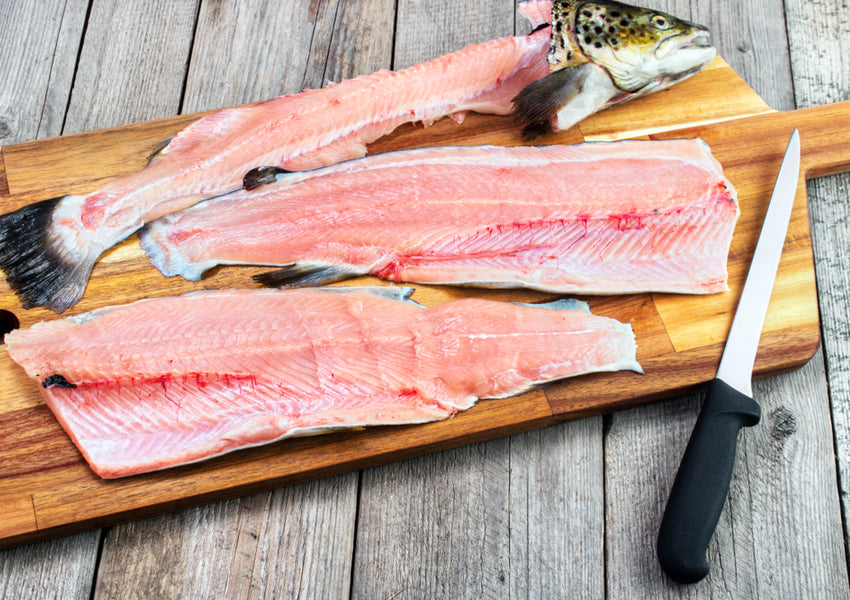
For fish, a flexible boning knife is ideal. Its thin, bendable blade allows for precise cuts, minimizing waste.
How often should I sharpen my boning knife?
Sharpen your boning knife regularly, ideally after every few uses, to maintain its edge and performance.
Can I use a boning knife for vegetables?
While a boning knife is designed for meat, it can be used for vegetables if no other knife is available. However, it’s best to use a knife specifically designed for vegetables for optimal results.
This article contains affiliate links. We may earn a commission at no extra cost to you.