Forged knives have long been prized by chefs, collectors, and home cooks for their strength, craftsmanship, and longevity. If you’re considering investing in a forged blade, you’re likely wondering about its true lifespan and what factors influence its durability. Understanding how long forged knives last can help you make an informed decision and ensure you get the most value from your purchase.
In this article, we’ll explore the real-world durability of these blades, what sets them apart from stamped knives, and how proper care can extend their useful life. We’ll also touch on traditional forging methods, highlight key maintenance tips, and answer common questions about longevity and performance.
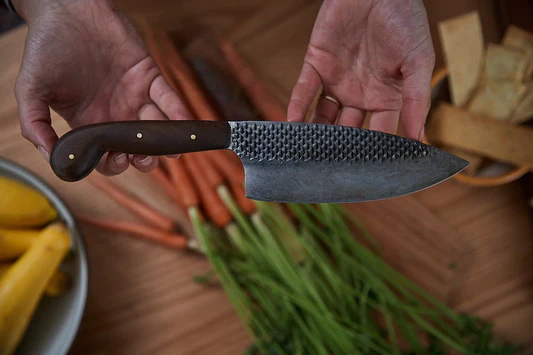
For those interested in the artistry behind blade making, you may want to learn more about traditional forging techniques and their impact on knife quality.
What Makes Forged Knives Durable?
The exceptional durability of forged knives comes from the way they are made. Forging involves heating a single piece of steel and shaping it under high pressure, which aligns the steel’s grain structure and increases its strength. This process results in a dense, tough blade that can withstand years of use without warping or chipping easily.
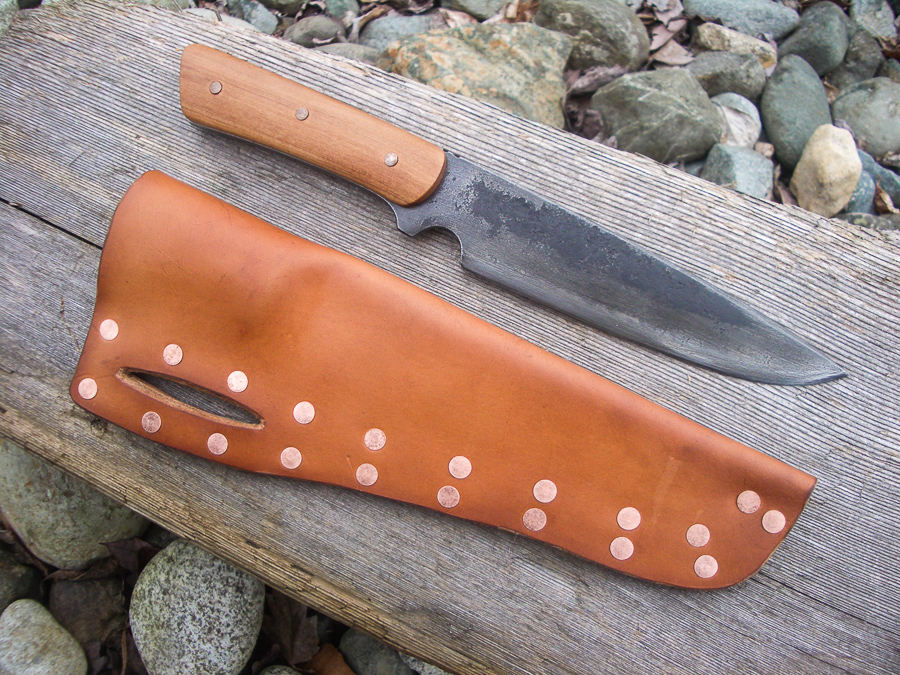
Unlike stamped knives, which are cut from a sheet of steel and often lack a full tang, forged blades typically feature a full tang construction. This means the metal extends through the handle, providing better balance and structural integrity. The combination of a thick spine, robust bolster, and solid tang all contribute to the knife’s ability to endure heavy kitchen tasks and resist damage over time.
Average Lifespan of Forged Blades
So, how long do forged knives last in practical terms? With regular use and proper maintenance, a high-quality forged knife can last decades—and in many cases, a lifetime. Some well-cared-for blades are even passed down through generations, retaining their sharpness and reliability for 50 years or more.
The actual lifespan depends on several factors:
- Steel quality: High-carbon and stainless steels are common in forged knives. High-carbon steel holds an edge longer but may require more care to prevent rust. Stainless steel resists corrosion but may need more frequent sharpening.
- Usage: Daily use in a busy kitchen will wear a blade faster than occasional home cooking. However, forged knives are built to handle frequent, rigorous use.
- Maintenance: Regular honing, careful washing, and proper storage are key to maximizing longevity.
- Sharpening: Over-sharpening or using improper techniques can reduce the blade’s thickness and lifespan. Professional sharpening is recommended for best results.
Signs Your Forged Knife Is Wearing Out
Even the toughest knives will eventually show signs of age. Here are some indicators that your forged blade may be nearing the end of its useful life:
- The blade has become too thin from repeated sharpening.
- There are visible cracks, chips, or severe pitting along the edge.
- The handle is loose, cracked, or separating from the tang.
- Rust or corrosion has compromised the blade’s integrity.
If you notice any of these issues, it may be time to retire the knife or consult a professional for repair.
How to Maximize the Life of Your Forged Knife
Proper care is essential for keeping your forged blade in top condition. Here are practical tips to help your knife last as long as possible:
- Hand wash only: Avoid dishwashers, as harsh detergents and high heat can damage both the blade and handle.
- Dry immediately: After washing, dry the knife thoroughly to prevent rust and water spots.
- Store safely: Use a knife block, magnetic strip, or blade guard to protect the edge from nicks and dulling.
- Hone regularly: Use a honing rod to maintain the edge between sharpenings. This keeps the blade aligned and sharp.
- Sharpen as needed: When honing no longer restores the edge, have your knife professionally sharpened or use a quality sharpening stone.
- Avoid hard surfaces: Do not cut on glass, stone, or metal surfaces, as these can quickly dull or chip the blade.
- Use for intended purposes: Forged knives are designed for cutting food, not bones, frozen items, or non-food materials.
Forged vs. Stamped Knives: Which Lasts Longer?
When comparing forged and stamped knives, the forged variety almost always outlasts its stamped counterpart. The forging process creates a denser, stronger blade that resists bending and chipping. Stamped knives, while lighter and often less expensive, may lack the durability and edge retention needed for heavy or long-term use.
For those seeking a kitchen tool that will stand the test of time, investing in a forged knife is a wise choice. With proper care, it can serve you reliably for many years, making it a favorite among professionals and enthusiasts alike.
Factors That Affect the Longevity of Forged Knives
Several elements influence how many years your forged blade will remain effective:
- Material composition: The type of steel and additional alloys determine hardness, edge retention, and corrosion resistance.
- Handle construction: Durable materials like pakkawood, micarta, or stabilized hardwoods extend the life of the handle and overall knife.
- Environmental conditions: High humidity or exposure to acidic foods can accelerate corrosion if not cleaned promptly.
- Frequency of sharpening: Each sharpening session removes a small amount of metal. Excessive sharpening can shorten the blade’s lifespan.
By understanding these factors and adjusting your care routine, you can help your forged knife last as long as possible.
Frequently Asked Questions
Can a forged knife last a lifetime?
Yes, with proper care and maintenance, a forged knife can easily last a lifetime. Many families pass down quality forged blades through generations, especially when they are regularly honed, sharpened, and stored correctly.
How often should I sharpen my forged knife?
The frequency depends on how often you use the knife and what you cut. For most home cooks, sharpening every 6–12 months is sufficient, with regular honing in between. Professional chefs may need to sharpen their knives more frequently.
What is the main reason forged knives fail?
The most common causes of failure are improper care, such as leaving the knife wet, using it on hard surfaces, or over-sharpening. Rust, handle damage, and excessive thinning from sharpening can all reduce the knife’s usable life.
Are forged knives worth the investment?
Absolutely. While they may cost more upfront, their durability, performance, and longevity make them a smart choice for anyone who values quality kitchen tools.
Conclusion
Forged knives are renowned for their strength, balance, and lasting performance. With attentive care, these blades can serve you for decades, making them a staple in both professional and home kitchens. By understanding the factors that influence their durability and following best practices for maintenance, you’ll ensure your investment pays off for years to come.