Ceramic knives have become increasingly popular in kitchens for their sharpness, lightweight feel, and resistance to rust. However, when it comes to specialized tasks like carving, many cooks wonder about their suitability. If you’re considering using a ceramic blade for slicing roasts, poultry, or even intricate fruit and vegetable designs, it’s important to understand both the advantages and limitations of these unique tools.
This article explores whether ceramic knives can be used for carving, the best practices for doing so, and how they compare to traditional steel carving knives. We’ll also address care tips, safety considerations, and answer common questions to help you make the best choice for your kitchen.
For those interested in a deeper dive into the pros and cons of ceramic blades, you can find a comprehensive overview in this detailed guide to ceramic knives.
Understanding Ceramic Knives and Their Properties
Ceramic knives are made from zirconium dioxide, a material that is extremely hard—second only to diamonds. This gives them a razor-sharp edge that can stay sharp much longer than most steel knives. However, this hardness also means they are more brittle and prone to chipping or breaking if used improperly.
Key characteristics of ceramic blades include:
- Lightweight, making them easy to handle for repetitive slicing tasks.
- Non-reactive with food, so they won’t cause browning or leave a metallic taste.
- Corrosion-resistant, eliminating concerns about rust or staining.
- Brittle compared to steel, which means they can chip or snap if twisted or used on hard foods or bones.
Are Ceramic Knives Suitable for Carving Tasks?
The question of can ceramic knives be used for carving depends on what you intend to carve and how you plan to use the knife. Here’s a breakdown of their suitability for various carving applications:
Carving Cooked Meats
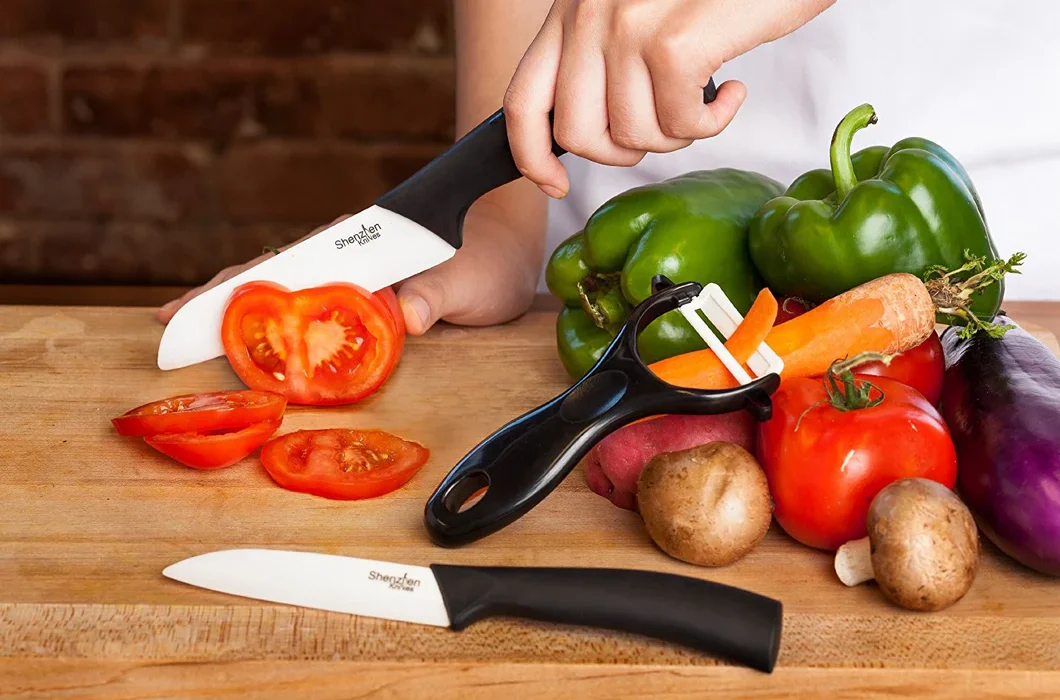
Ceramic knives can be used to carve boneless, cooked meats such as turkey breast, roast beef, or chicken. Their sharp edge allows for clean, thin slices with minimal effort. However, they are not recommended for cutting through bones, joints, or frozen foods, as this can easily damage the blade.
Fruit and Vegetable Carving
For decorative carving of fruits and vegetables, ceramic blades excel. Their sharpness allows for precise, intricate cuts, making them a favorite for garnishes and food art. Just be careful to avoid twisting or prying motions that could chip the edge.
Limitations with Hard or Dense Foods
When it comes to carving dense root vegetables, squash, or anything with a tough exterior, ceramic knives may not be the best choice. The risk of chipping increases when more force is needed or when the blade encounters hard surfaces.

Best Practices for Carving with Ceramic Knives
If you decide to use a ceramic blade for carving, following some best practices will help you get the most out of your knife while minimizing the risk of damage:
- Use Only on Soft, Boneless Foods: Stick to cooked meats without bones, soft fruits, and vegetables.
- Employ Gentle, Straight Cuts: Avoid twisting or prying, which can cause chips or breaks.
- Cut on Appropriate Surfaces: Always use a wooden or plastic cutting board. Hard surfaces like glass, stone, or metal can quickly dull or damage the blade.
- Keep the Knife Clean: Rinse and dry immediately after use to prevent buildup that could affect performance.
- Store Safely: Use a sheath or knife block to protect the edge from accidental knocks.
Comparing Ceramic and Steel Knives for Carving
When deciding between ceramic and steel for carving, it’s helpful to weigh the pros and cons of each:
| Feature | Ceramic Knives | Steel Knives |
|---|---|---|
| Sharpness | Extremely sharp, stays sharp longer | Very sharp, but needs frequent honing |
| Durability | Brittle, prone to chipping | More forgiving, can handle bones and harder foods |
| Maintenance | Does not rust, easy to clean | Needs regular care to prevent rust |
| Versatility | Best for soft, boneless foods | Suitable for a wider range of tasks |
For most home cooks, a steel carving knife remains the most versatile and reliable option for large roasts and poultry. Ceramic blades shine in specific situations where precision and delicacy are needed, such as fruit carving or slicing boneless cuts.
Care and Maintenance Tips
Proper care is essential to extend the life of your ceramic carving knife. Here are some tips:
- Hand wash only—avoid dishwashers, as the agitation can cause chips.
- Dry thoroughly before storing to prevent moisture buildup.
- Sharpen only with specialized tools designed for ceramic blades, or send to a professional.
- Inspect regularly for chips or cracks before use.
Safety Considerations When Using Ceramic Knives for Carving
Because of their sharpness and brittleness, ceramic blades require extra care during use. Always cut away from your body, use a stable cutting board, and never attempt to cut bones or frozen foods. If the blade chips or cracks, discontinue use immediately to avoid injury or contamination of food.
Frequently Asked Questions
What foods should I avoid carving with a ceramic knife?
It’s best to avoid hard foods such as bones, frozen items, squash, or anything requiring forceful cutting. Stick to boneless meats, soft fruits, and vegetables to prevent damage to the blade.
How do I know if my ceramic knife is suitable for carving?
If your ceramic blade is long enough and has a pointed tip, it can be used for carving soft, boneless foods. Always check for chips or cracks before use, and avoid any tasks that require twisting or prying.
Can I sharpen a ceramic carving knife at home?
Sharpening ceramic blades requires a diamond sharpener or professional service. Attempting to use regular sharpeners can damage the blade. If you notice dullness, it’s best to consult a professional or replace the knife.
Is a ceramic knife safer than a steel knife for carving?
Both types require careful handling. Ceramic knives are less forgiving if misused, as they can chip or break. Always use proper technique and avoid forceful motions to ensure safety.
Conclusion
While ceramic knives can be used for carving certain foods, they are best reserved for softer, boneless items and decorative work with fruits and vegetables. Their sharpness and lightweight design make them a pleasure for precision tasks, but their brittleness limits their use in more demanding carving jobs. By following best practices and proper care, you can safely enjoy the unique benefits of ceramic blades in your kitchen.