
For those who are passionate about cooking, having the right tools is crucial. A boning knife for bone marrow prep is an indispensable tool in any kitchen, especially for those who love to indulge in gourmet cooking. In this article, we’ll explore why the boning knife is so vital for preparing bone marrow and how it can enhance your culinary creations.
Understanding the Boning Knife
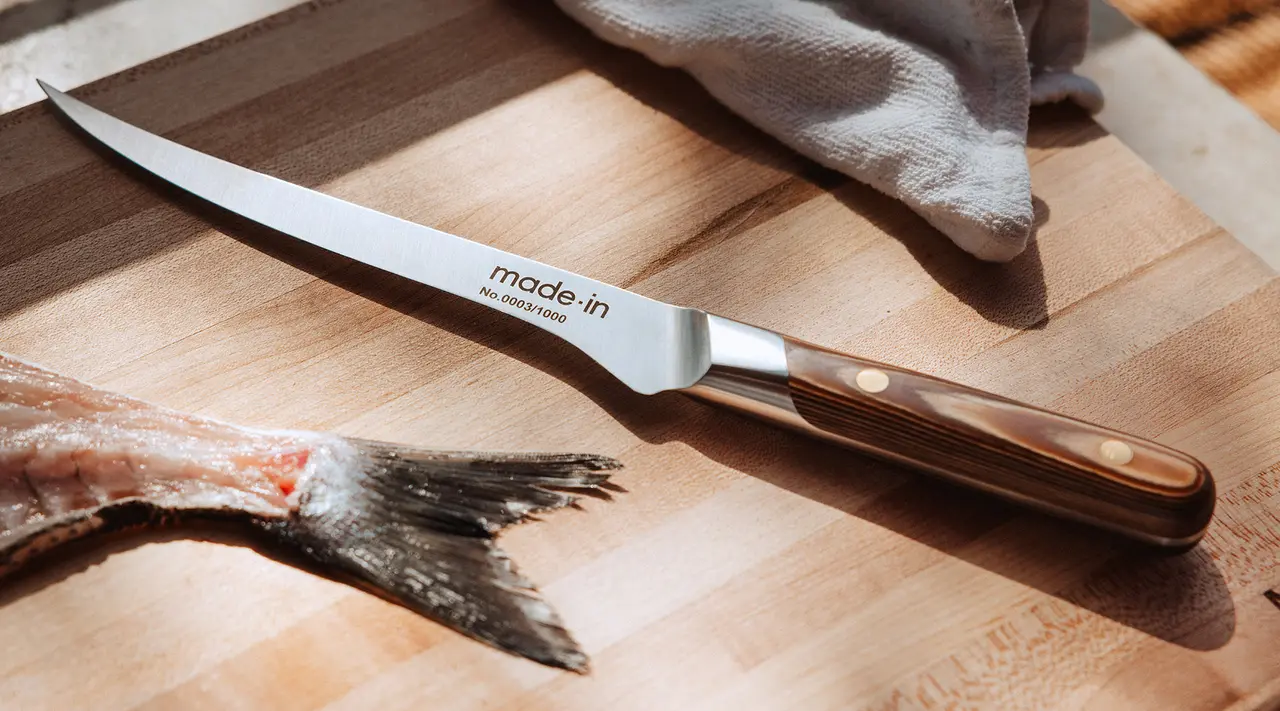
A boning knife is a specialized kitchen knife designed for removing bones from meat, poultry, and fish. Its sharp, narrow blade allows for precision cutting, which is essential when dealing with delicate tasks like bone marrow preparation. The flexibility of a boning knife can vary, with some being more rigid to provide control, while others offer more flexibility for intricate cuts.
Why Use a Boning Knife for Bone Marrow?
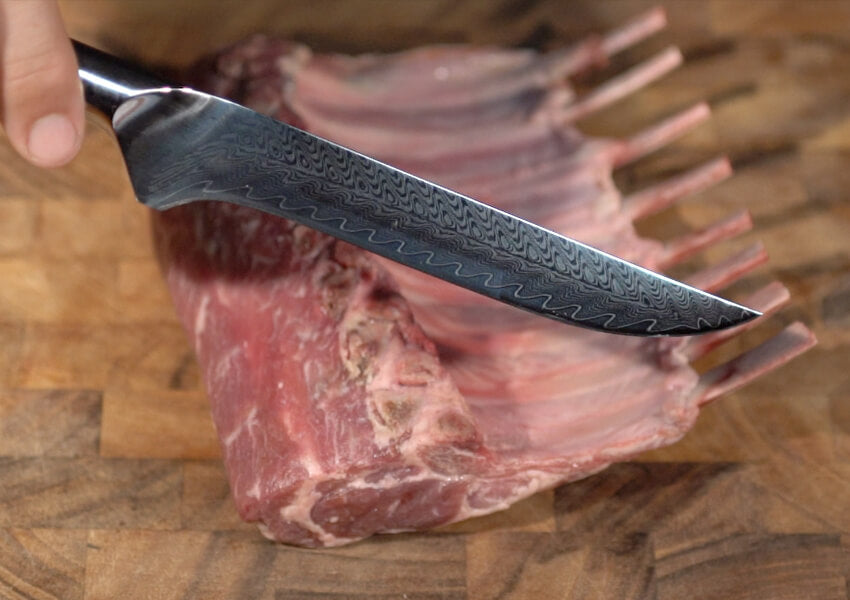
When it comes to extracting bone marrow, a boning knife is perfect due to its precision and control. The marrow, located inside the bones, is a delicate substance that requires careful handling. A boning knife’s sharp edge allows you to navigate around the bone without damaging the precious marrow inside.
Precision and Control
The narrow blade of a boning knife provides the accuracy needed to separate meat from the bone with minimal waste. This precision is particularly important when preparing bone marrow, as it ensures that the marrow is extracted cleanly and efficiently.
Versatility in the Kitchen
Besides bone marrow, a boning knife is versatile enough to handle other tasks in the kitchen. It can be used for deboning chicken, filleting fish, and trimming fat from meat, making it an all-around essential tool for any serious cook.
Choosing the Right Boning Knife
When selecting a boning knife, consider the type of food you’ll primarily be working with. A stiff boning knife is ideal for tougher meats, while a flexible one is better for delicate proteins like fish. The handle should be comfortable and provide a secure grip for safe usage.
Blade Material
Most boning knives are made from stainless steel due to its durability and resistance to rust. High-carbon stainless steel is particularly prized for its sharpness and ease of maintenance. Learn more about boning knives.
Handle Design
The handle should offer a firm grip and be comfortable to hold for extended periods. Materials like wood, plastic, or composite are common, with each offering different levels of comfort and durability.
Caring for Your Boning Knife
Proper care and maintenance of your boning knife will ensure its longevity and performance. Regular sharpening is essential to maintain the blade’s edge, and hand washing is recommended to prevent damage from harsh detergents and dishwasher heat.
Sharpening Techniques
Using a honing steel or a sharpening stone can keep your boning knife in top condition. Regular honing realigns the blade’s edge, while occasional sharpening with a stone restores its sharpness.
Storage Solutions
Storing your boning knife properly prevents damage and accidents. Consider using a knife block, magnetic strip, or blade guard to keep the knife secure and the blade protected.
FAQs
What is the best way to clean a boning knife?
Hand wash your boning knife with mild detergent and warm water. Avoid using a dishwasher, as it can dull the blade and damage the handle.
Can I use a boning knife for other kitchen tasks?
Yes, a boning knife is versatile and can be used for filleting fish, trimming fat, and more. However, it excels in tasks that require precision and control.
How often should I sharpen my boning knife?
Regular honing is recommended to maintain the edge, while sharpening should be done as needed, depending on the frequency of use.
For more in-depth information on why a stiff boning knife is better and other related topics, feel free to explore our site. Happy cooking!
This article contains affiliate links. We may earn a commission at no extra cost to you.