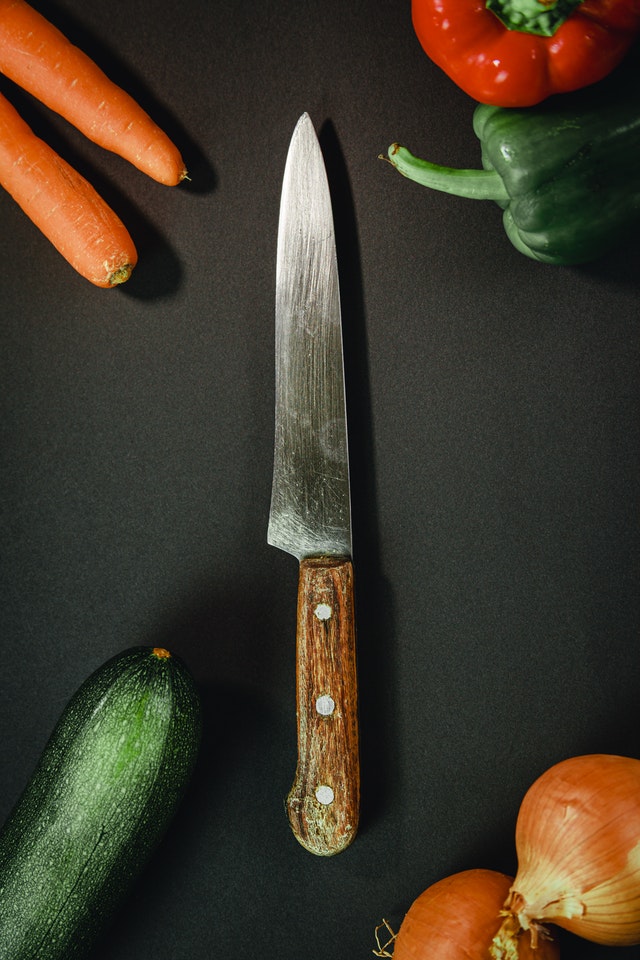

When it comes to preparing beef, having the right tools is essential. One of the most important tools in a chef’s arsenal is undoubtedly the boning knife for beef. This specialized knife is designed to help you achieve precise cuts, ensuring that your dishes not only taste great but also look professional. Understanding how to use and maintain a boning knife can transform your culinary experience, whether you’re a professional chef or a home cook.
What is a Boning Knife?
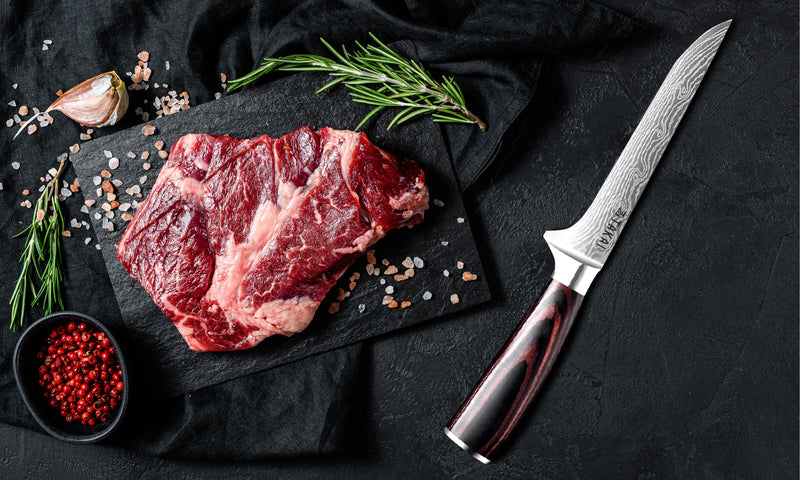
A boning knife is a type of knife with a narrow, sharp blade specifically designed for removing bones from meat, poultry, and fish. The blade’s flexibility allows for greater control, making it easier to maneuver around bones and joints. This is particularly important when working with beef, where precision is key to maintaining the integrity of the meat.
Why Use a Boning Knife for Beef?
Using a boning knife for beef allows you to make clean, precise cuts, which are essential for both presentation and cooking. A good boning knife helps you remove bones without damaging the surrounding meat, preserving the quality and flavor of your dish. For more information on the importance of using a boning knife, visit why use a boning knife.
Features of a Good Boning Knife
Blade Material
The material of the blade is crucial for the knife’s performance. Stainless steel is a popular choice due to its durability and resistance to rust and stains. To learn more about the benefits of a stainless steel boning knife, you can visit stainless steel knife.
Blade Flexibility
The flexibility of the blade is another important factor. A more flexible blade is ideal for fish and poultry, while a stiffer blade is better suited for beef and pork, where more force is required to remove bones.
Handle Comfort
The handle should provide a comfortable grip, allowing you to work for extended periods without causing hand fatigue. Ergonomic designs are especially beneficial in this regard.
How to Use a Boning Knife for Beef
Using a boning knife effectively involves a combination of technique and precision. Here are some tips to help you get started:
Prepare Your Workspace
Ensure your cutting board is stable and your knife is sharp. A sharp knife is safer and more efficient, as it requires less force to make cuts.
Identify the Bones
Before you start cutting, take a moment to identify the location of the bones. This will help you plan your cuts and maintain the meat’s quality.
Make Precise Cuts
Use the tip of the knife to make small, precise cuts around the bones. Work slowly and carefully to avoid tearing the meat.
Maintaining Your Boning Knife
Regular Honing
To keep your knife in top condition, regular honing is essential. Honing helps realign the blade, ensuring it remains sharp and effective. For tips on honing a boning knife, check out honing tips.
Proper Cleaning
Always clean your knife immediately after use. Wash it with warm, soapy water and dry it thoroughly to prevent rust and damage.
Safe Storage
Store your knife in a knife block or sheath to protect the blade and ensure safety in your kitchen.
FAQs
What is the difference between a boning knife and a carving knife?
A boning knife is designed for removing bones, while a carving knife is used for slicing cooked meat. For more details, visit knife differences.
How do I choose the right boning knife?
Consider the type of meat you frequently work with and choose a knife with the appropriate blade flexibility and material.
Can I use a boning knife for other tasks?
Yes, while primarily designed for removing bones, boning knives can also be used for filleting fish and trimming fat.
Conclusion
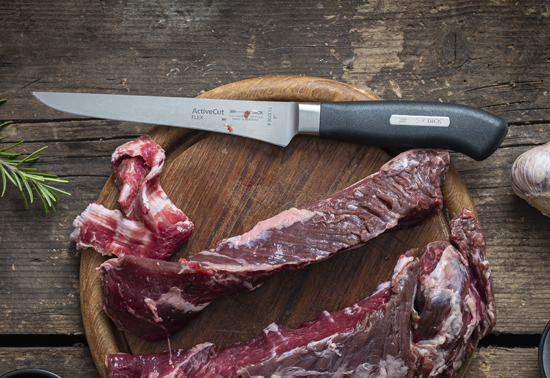
In conclusion, a boning knife for beef is an indispensable tool in any kitchen. Its ability to deliver precise cuts and enhance the quality of your dishes makes it a worthwhile investment for both professional chefs and home cooks. By understanding the features of a good boning knife and learning how to use and maintain it properly, you can elevate your culinary skills and enjoy the art of cooking to its fullest. For more insights into choosing the right boning knife, visit Seido Knives.
This article contains affiliate links. We may earn a commission at no extra cost to you.