The art of maintaining a manual sharpening boning knife is a skill that every culinary enthusiast should possess. Whether you’re a professional chef or a home cook, understanding how to keep your boning knife sharp can make a significant difference in your kitchen experience. In this article, we will delve into the intricacies of manual sharpening, providing you with insights and techniques to ensure your boning knife remains in pristine condition.
Understanding the Boning Knife
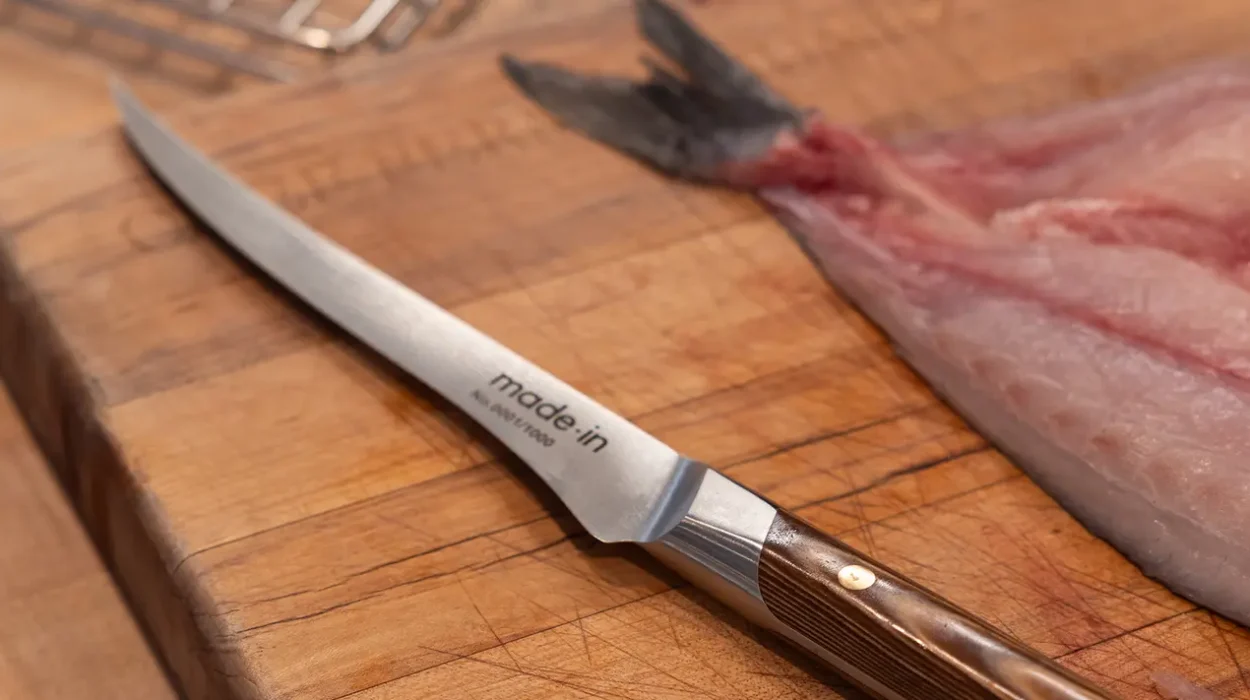
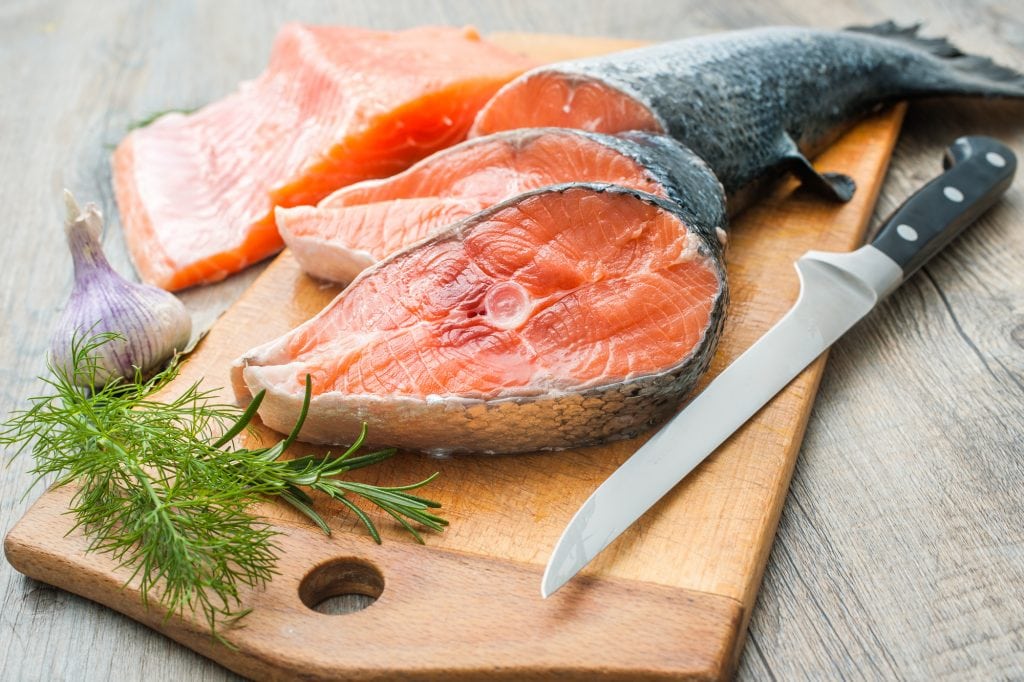
A boning knife is a specialized kitchen tool designed for removing bones from meat, poultry, and fish. Its narrow, pointed blade allows for precise cuts, making it an essential utensil in any chef’s arsenal. Understanding the unique features of a boning knife is crucial before diving into sharpening techniques.
Types of Boning Knives
There are various types of boning knives, each serving a specific purpose:
- Curved Boning Knife: Ideal for trimming fat and working around bones.
- Straight Boning Knife: Perfect for making clean cuts through meat.
- Stiff Boning Knife: Provides more control for tough cuts of meat.
- Flexible Boning Knife: Allows for more precision when filleting fish.
For more insights on the differences between these knives, visit curved vs straight boning knife.
Why Manual Sharpening?
Manual sharpening is often preferred over electric sharpeners because it offers more control and precision. By manually sharpening your boning knife, you can tailor the sharpening process to suit the specific needs of the blade, ensuring a finer edge.
Benefits of Manual Sharpening
- Precision: Allows for detailed sharpening control.
- Edge Retention: Manual sharpening can enhance the longevity of the knife’s edge.
- Cost-Effective: No need for expensive electric sharpeners.
Tools Required for Manual Sharpening
To begin sharpening your boning knife, you’ll need a few essential tools:
Whetstone
A whetstone is a versatile tool used for sharpening blades. It comes in different grits, each serving a different sharpening purpose.
Honing Rod
A honing rod is used to realign the blade’s edge between sharpenings, keeping your knife in optimal condition.
Strop
Using a strop after sharpening can polish the blade and remove any remaining burrs.
Step-by-Step Guide to Sharpening a Boning Knife
Preparation
Before starting, ensure your work area is clean and gather all necessary tools.
Sharpening Process
- Soak the whetstone in water for about 10-15 minutes.
- Place the stone on a stable surface.
- Hold the knife at a 15-20 degree angle against the stone.
- Slide the blade across the stone in a sweeping motion.
- Repeat the process on the other side of the blade.
- Use a honing rod to realign the edge.
- Finish by stropping the blade to remove burrs.
Maintaining Your Boning Knife
Regular Honing
Regular honing can keep your knife in top shape between sharpenings. Learn more about honing at professional boning knife tips.
Proper Storage
Store your boning knife in a knife block or sheath to prevent damage.
Cleaning
Clean your knife with mild soap and water after each use to maintain its condition.
Common Mistakes and How to Avoid Them
Even experienced chefs can make mistakes when sharpening their knives. Here are some common pitfalls and how to avoid them:
Incorrect Angle
Maintaining the correct angle is crucial for effective sharpening. Practice consistently holding the blade at the right angle.
Over Sharpening
Sharpen only when necessary to avoid wearing down the blade.
Skipping Honing
Always use a honing rod between sharpening sessions to maintain edge alignment.
Additional Resources
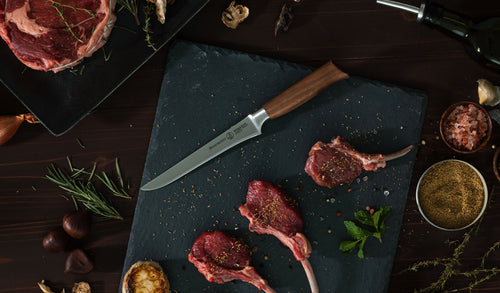
For more on boning knives, check out how to bone a rack of lamb.
FAQs
How often should I sharpen my boning knife?
This depends on usage, but generally, sharpening every 3-6 months is recommended.
Can I use an electric sharpener?
While possible, manual sharpening offers more precision and control.
What is the best angle for sharpening?
A 15-20 degree angle is ideal for most boning knives.
By mastering the art of manual sharpening, you can ensure your boning knife remains a reliable tool in your kitchen arsenal. With practice and the right techniques, sharpening can become a satisfying and rewarding skill.
This article contains affiliate links. We may earn a commission at no extra cost to you.